

What is a Gallbladder Stone?
Understanding the role of the gallbladder in your digestive health
A gallbladder stone — also known as a gallstone or cholelithiasis — is a hardened deposit that forms inside the gallbladder, a small pear-shaped organ tucked beneath your liver on the right side of your abdomen. The gallbladder's main job is to store bile, a digestive fluid produced by the liver that helps break down fats. However, when the chemical balance of bile is disrupted, solid particles begin to crystallise, ultimately forming a gallbladder stone.
Interestingly, gallbladder stones can be as small as a grain of sand or as large as a golf ball. Moreover, you may develop just one large stone or hundreds of tiny ones at the same time. While some people live with gallbladder stones for years without any symptoms, others experience sudden and intense pain that demands immediate medical attention.
Furthermore, gallbladder stones are among the most common digestive disorders in India. According to various studies, roughly 10–15% of the adult population in India is affected — with women, people over 40, and those with a family history being at higher risk. Fortunately, with the right treatment, gallbladder stone is completely curable, and life after surgery can be entirely normal.
🔑 Key Facts About Gallbladder Stone
- Gallbladder stones affect millions of Indians every year.
- They are more common in women than men.
- Most stones are made of cholesterol; a smaller number are pigment stones.
- Laparoscopic surgery (keyhole surgery) is today's gold standard treatment.
- After surgery, patients typically return to normal activity within one week.
Types of Gallbladder Stones
Cholesterol stones (yellow-green) and pigment stones (dark brown) are the two main types of gallbladder stones
Before we explore the causes, it is equally important to understand that not all gallbladder stones are the same. In fact, there are two main types, and knowing the difference can help your doctor decide the most appropriate course of treatment.
🟡 Cholesterol Stones
These are the most common type, accounting for up to 80% of all gallbladder stones. They form when there is too much cholesterol in the bile. They are typically yellow-green in colour and range in size significantly.
🟤 Pigment Stones
These are smaller and darker, formed when bile contains too much bilirubin — a chemical produced when the body breaks down red blood cells. They are more common in people with liver disease or blood disorders.
Additionally, some patients develop mixed stones, which contain both cholesterol and pigment. Regardless of the type, the symptoms and surgical treatment approach remain largely similar.
Causes of Gallbladder Stone

Poor dietary habits and a sedentary lifestyle are among the top causes of gallbladder stones
Gallbladder stones rarely develop overnight. Rather, they form slowly over months or even years due to a combination of dietary, hormonal, genetic, and lifestyle factors. Understanding the underlying causes, therefore, is the first step toward prevention.
High-Fat Diet
Consuming excessive fried, oily, and processed foods raises cholesterol levels in bile, making stone formation far more likely.
Obesity
People who are overweight secrete more cholesterol into bile, significantly increasing their risk of developing a gallbladder stone.
Gender & Hormones
Women — especially during pregnancy or on oral contraceptives — face a higher risk due to elevated oestrogen levels.
Family History
If a close family member has had gallbladder stones, your own genetic predisposition to the condition increases considerably.
Diabetes
Diabetic patients often have higher levels of triglycerides, which promote the formation of both cholesterol and pigment stones.
Crash Dieting
Rapid weight loss causes the liver to release extra cholesterol into bile, which can lead to gallbladder stone formation rapidly.
Sedentary Lifestyle
Lack of physical activity slows gallbladder motility, meaning bile stays in the gallbladder longer and is more prone to crystallising.
Liver Disease
Conditions like cirrhosis affect the chemical composition of bile, which subsequently encourages the development of pigment stones.
💡 Did You Know?
- The "4 Fs" — Fat, Female, Forty, Fertile — are classically associated with a higher gallbladder stone risk.
- People who skip breakfast regularly are more susceptible because bile accumulates and stagnates.
- Drinking sufficient water and exercising regularly can meaningfully lower your risk.
Symptoms of Gallbladder Stone

Sudden, severe pain in the upper-right abdomen is often the first sign of a gallbladder stone
It is worth noting that many people with gallbladder stones experience no symptoms at all — these are called "silent stones." However, when a stone blocks one of the bile ducts, symptoms can appear suddenly and be quite severe. Below are the most common signs to watch out for:
-
Sudden, Intense Upper-Right Abdominal Pain Often described as a sharp, cramping or squeezing pain just below the right rib cage. Typically begins 30–60 minutes after a fatty meal and may last from a few minutes to several hours.
-
Pain Radiating to the Back or Right Shoulder The pain may spread to the upper back between the shoulder blades or into the right shoulder, which is a hallmark indicator of gallbladder stone involvement.
-
Nausea and Vomiting Persistent nausea — often accompanied by vomiting — frequently accompanies a gallbladder attack. This can leave you feeling extremely weak and drained.
-
Fever and Chills If a gallbladder stone causes infection (cholecystitis), you may develop a fever and chills. This is a serious warning sign that requires immediate medical attention.
-
Jaundice (Yellowing of Skin & Eyes) When a gallbladder stone blocks the common bile duct, bile backs up into the bloodstream — causing yellow skin, yellow eyes, and dark-coloured urine.
-
Bloating, Indigestion & Gas Chronic indigestion, excessive bloating, and gas after meals — especially fatty ones — can be an early, subtle symptom of gallbladder stone.
-
Light-Coloured Stools A blockage in the bile duct can prevent bile from reaching the intestines, resulting in pale, clay-coloured stools — a sign that should not be ignored.
🚨 Seek Emergency Care Immediately If You Experience:
- Severe, unrelenting abdominal pain that lasts more than 2 hours
- High fever (above 38.5°C / 101°F) with chills
- Yellowing of the skin or eyes (jaundice)
- Very dark urine and pale/clay-coloured stools together
- Rapid heartbeat accompanied by severe pain
Are You Experiencing These Symptoms?
Don't wait. Early diagnosis of gallbladder stone can prevent serious complications. Consult Dr. S. Kalavathi at Narayana Hospital, Mancherial — today.
Book Your Appointment Now →How is Gallbladder Stone Diagnosed?
An abdominal ultrasound is the most reliable and painless first-line test for detecting gallbladder stones
Accurate and timely diagnosis is absolutely essential when it comes to gallbladder stone. Fortunately, modern diagnostic tools make the process quick, non-invasive, and highly reliable. At Narayana Hospital, our experts use the following methods:
Abdominal Ultrasound
The most common and reliable first-line test for detecting gallbladder stones. It is painless, quick, and radiation-free.
Blood Tests (LFT)
Liver function tests help detect infection, inflammation, jaundice, and whether stones have blocked the bile duct.
CT Scan / MRI
Used when complications are suspected or when an ultrasound result is inconclusive — giving a detailed view of the gallbladder and ducts.
MRCP / ERCP
Specialised imaging for stones inside the bile duct (choledocholithiasis) — essential for planning the right surgical approach.
Who Needs Gallbladder Stone Surgery — and Why?
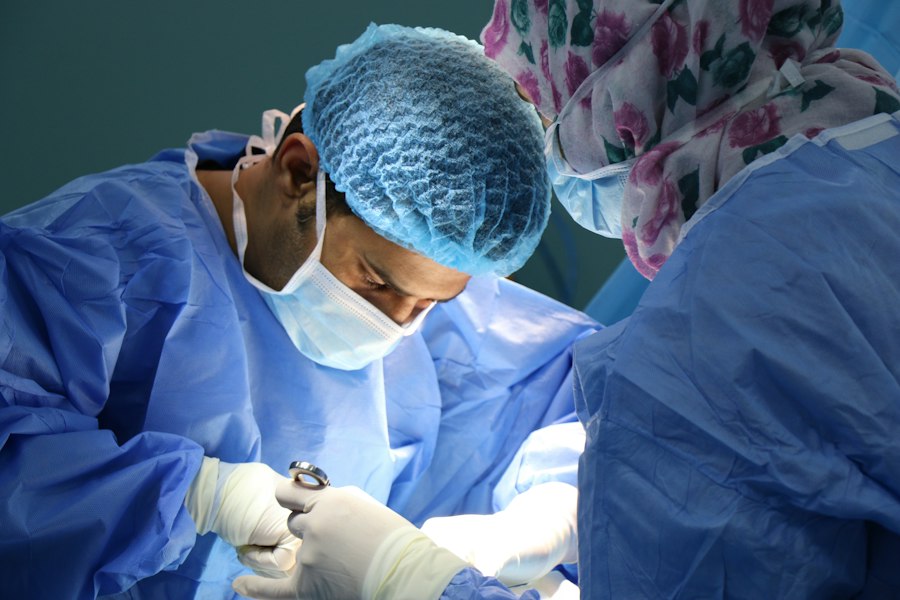
Laparoscopic cholecystectomy is a safe, minimally invasive solution for symptomatic gallbladder stones
Not everyone diagnosed with a gallbladder stone will need surgery. However, in many cases, surgical removal of the gallbladder — known as a cholecystectomy — is the most effective and permanent solution. So, who should seriously consider surgery?
⚠️ Surgery is Strongly Recommended If You Have:
- Recurrent or severe biliary colic (gallbladder attacks)
- Acute cholecystitis — an inflamed, infected gallbladder
- A gallbladder stone that has moved into the common bile duct
- Jaundice caused by a blocked bile duct
- Pancreatitis triggered by a gallstone
- A large stone (over 3 cm) — associated with a higher risk of gallbladder cancer
- A non-functioning gallbladder confirmed on imaging
- Symptoms that have been worsening progressively over time
- Patients with diabetes — due to increased risk of complications from untreated stones
The reason surgery is recommended in these situations is straightforward: gallbladder stones do not dissolve on their own. Furthermore, leaving symptomatic stones untreated increases the risk of dangerous complications such as gallbladder rupture, sepsis, and even cancer. Consequently, timely surgical intervention is not just advisable — it is often life-saving.
Why Laparoscopic Surgery is the Best Choice
Today, laparoscopic cholecystectomy (keyhole surgery) is widely regarded as the gold standard for gallbladder stone removal. Unlike traditional open surgery, it involves just 3–4 tiny incisions. As a result, patients experience significantly less pain, minimal blood loss, a shorter hospital stay (often just one day), and a faster return to normal life — typically within 5–7 days.
✅ Benefits of Laparoscopic Gallbladder Stone Surgery
- Tiny incisions (less than 1 cm each) — minimal scarring
- Performed under general anaesthesia — completely painless during surgery
- Most patients are discharged within 24–48 hours
- Return to work within 7–10 days in most cases
- Lower risk of infection and post-operative complications compared to open surgery
- Highly cost-effective at Narayana Hospital, Mancherial

Most patients recover quickly after laparoscopic surgery and return to normal life within 7–10 days
Who Can Manage Gallbladder Stone Without Surgery?

A thorough consultation with your surgeon helps determine whether watchful waiting or surgery is right for you
On the other hand, not every gallbladder stone demands immediate surgery. In certain specific situations, a "watchful waiting" approach — combined with lifestyle changes — is perfectly reasonable. Nevertheless, this decision should always be made in consultation with a qualified surgeon.
✅ You May Be Able to Wait if:
- Your stones are asymptomatic (no pain or discomfort whatsoever)
- Stones were discovered incidentally during a routine health check-up
- The stone is very small (under 5 mm) and shows no complications on ultrasound
- You have significant other health conditions that make surgery risky in the short term
- You are elderly and your overall health is otherwise stable
However, even in these cases, it is critically important to monitor the situation with regular follow-ups. Studies show that approximately 1 in 5 people with asymptomatic gallbladder stones will eventually develop symptoms within 5 years. Therefore, proactive monitoring is always the smarter choice over complete neglect.
⚠️ Important: Even "Silent" Gallbladder Stones Need Monitoring
- Schedule an ultrasound at Narayana Hospital every 6–12 months to track any changes.
- Adopt a low-fat, high-fibre diet to reduce the risk of new stones forming.
- Maintain a healthy weight and exercise regularly.
- Never self-medicate — consult a doctor before taking any herbal or home remedies.
Treatment Options for Gallbladder Stone

Laparoscopic cholecystectomy uses tiny instruments through small incisions — offering minimal pain and rapid recovery
Broadly speaking, there are three approaches to managing gallbladder stones. Your doctor will recommend the best option based on your symptoms, stone size, overall health, and diagnostic findings.
Watchful Waiting
For silent, asymptomatic stones. Regular monitoring with ultrasound and lifestyle modifications are central to this approach.
Medication
Ursodeoxycholic acid tablets may slowly dissolve small cholesterol stones, but this takes months to years and stones often recur after stopping.
Laparoscopic Surgery
The definitive, permanent cure. Minimally invasive keyhole surgery removes the gallbladder with outstanding safety and a fast recovery time.
It is important to understand that medication and watchful waiting are only temporary measures — they do not eliminate the root cause. In contrast, laparoscopic surgery provides a permanent, definitive solution. As a result, it is the treatment most recommended by surgeons worldwide, including at Narayana Hospital's surgical services.
Why Choose Narayana Hospital for Gallbladder Stone Treatment?
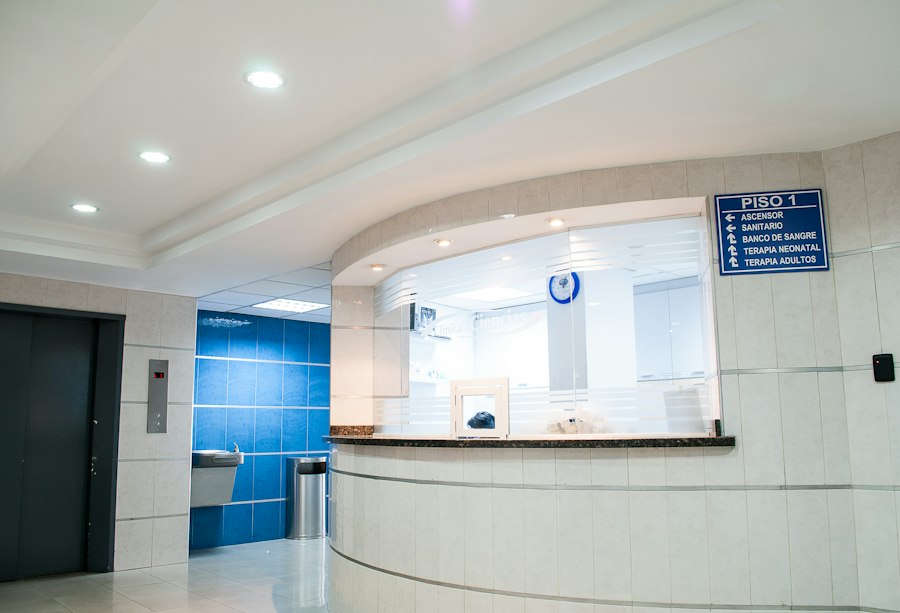
Narayana Hospital, Mancherial — trusted by over 1,000 patients for advanced surgical care
With so many hospitals to choose from, you deserve to know exactly why Narayana Hospital in Mancherial stands out — especially for gallbladder stone treatment. Here is a closer look at what makes us the preferred choice for patients across Mancherial, Ramagundam, Bellampalli, and the surrounding region.
Expert Surgeon
Dr. S. Kalavathi brings years of focused experience in laparoscopic gallbladder stone surgery and complex abdominal procedures.
Advanced Laparoscopy
We use the latest generation of laparoscopic equipment to ensure precision, minimal trauma, and the best possible outcomes.
Modern OT & ICU
Our state-of-the-art operation theatres and ICU facility meet the highest standards of surgical and post-operative care.
Affordable Treatment
We believe quality healthcare should be accessible to everyone — our gallbladder stone surgery packages are transparently priced.
24/7 Emergency Care
Gallbladder emergencies don't wait for business hours. Our team is available round-the-clock, every single day.
Patient-First Approach
From your first consultation to your full recovery, our dedicated team ensures compassionate, personalised, and attentive care.
Additionally, our hospital is conveniently located at 12-5/11, Beside SVC Cinema (Laxmi Talkies Lane), Gowthami Nagar, Mancherial — making it easily accessible from across the district. Whether you are looking for a second opinion, a same-day consultation, or urgent surgical care for gallbladder stone, Narayana Hospital is the right place to turn.
We also offer a range of related surgical services, including treatment for piles, hernia, thyroid conditions, appendicitis, and diabetic foot — all under one roof, by the same trusted team.
Ready to Get Rid of Your Gallbladder Stone for Good?
Contact Narayana Hospital today to schedule a consultation with Dr. S. Kalavathi. Safe, affordable, and expert laparoscopic care is just a phone call away.
📞 Call +91 86397 41910 or Book Online →Frequently Asked Questions About Gallbladder Stone

Have questions about gallbladder stone? Our expert team at Narayana Hospital is always here to help
Take Charge of Your Health — Don't Ignore a Gallbladder Stone

A healthy, balanced diet is one of the best ways to prevent gallbladder stones from forming
To summarise, a gallbladder stone is a common but serious condition that demands timely medical attention. Whether you are experiencing mild symptoms or severe pain, the right step is always to consult a qualified surgeon — not to self-diagnose or wait it out indefinitely.
Fortunately, with modern laparoscopic surgery, gallbladder stone treatment is safer, faster, and more effective than ever before. And when it comes to trusted surgical care in Mancherial and the surrounding region, Narayana Hospital is your best choice — combining expert surgical skill, compassionate care, and affordable pricing under one roof.
So don't wait until a silent gallbladder stone becomes an emergency. Reach out to our team today, get a thorough diagnosis, and take the first step toward a pain-free, healthier life.
Book Your Consultation at Narayana Hospital →